
Biochar
What is Biochar?
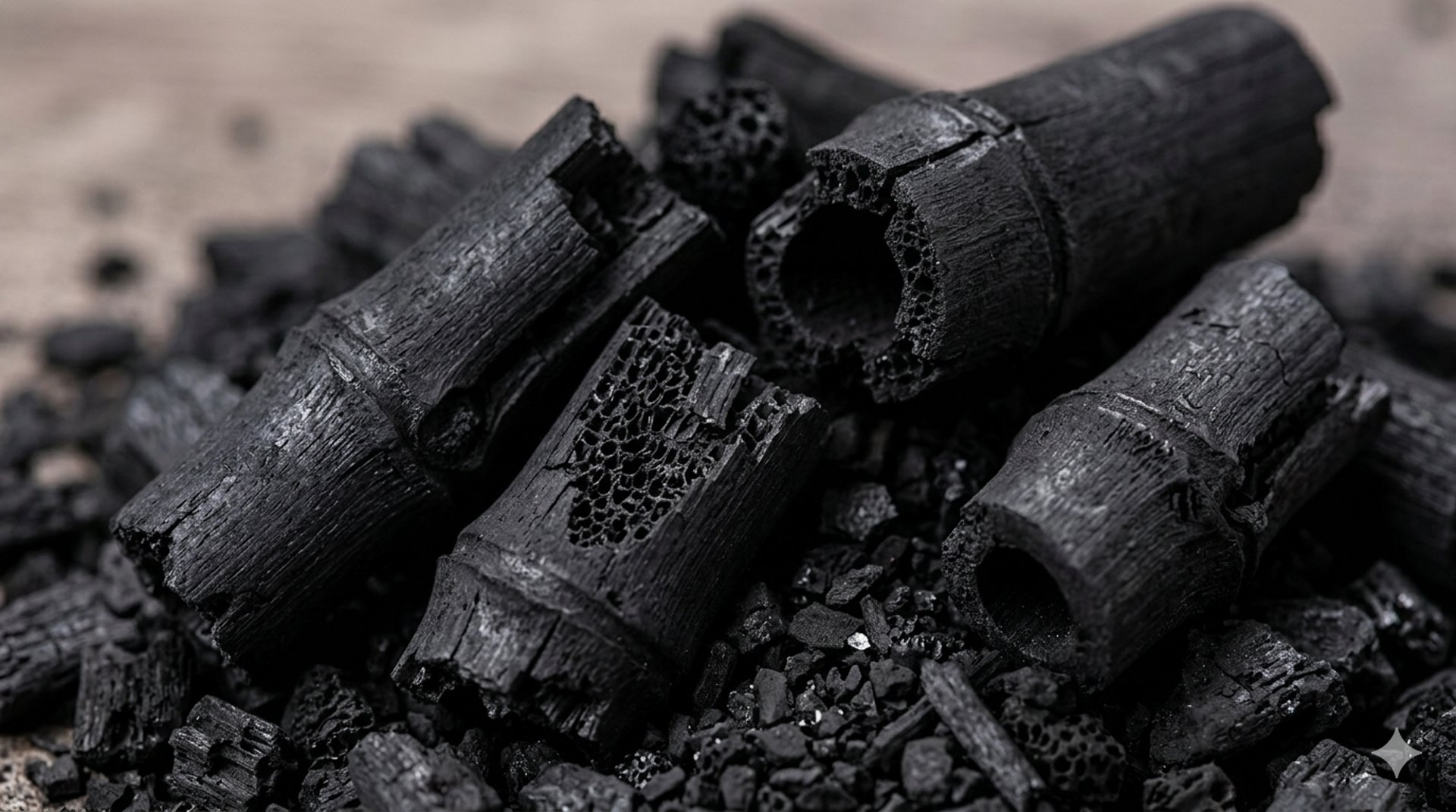
Biochar is a carbon-rich solid derived from biomass pyrolysis.
It is made from organic material in a closed system of limited oxygen so that the smoke that contains methane, carbon dioxide, and carbon monoxide gases, which are normally released into the environment, is redirected back to the heat source to increase the energy of the charcoal or to an alternative heat source that is used as fuel for a process like generating energy [1].
Uses & Benefits
Biochar has the potential not only to reduce our carbon footprint, but also to transform our soil, provide a sustainable source of fuel, and support innovation of new detoxifying and purifying products.
Renewable Fuel
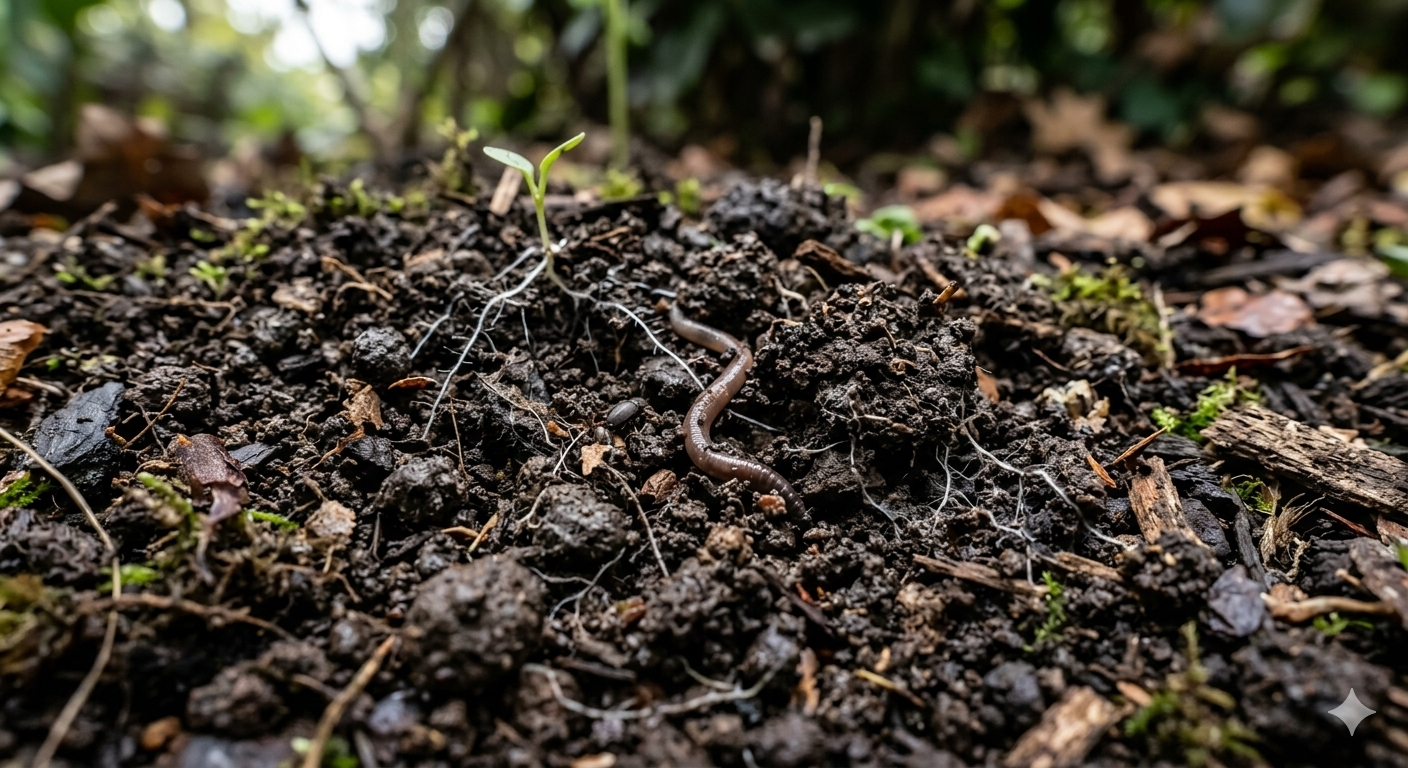
Biochar has been used as a soil amendment for over 2000 years. Evidence of biochar in the rich soil of the Amazon has been identified as a key component to its impressive tilth contrasted with its unamended Oxisol counterparts.
Soil Amendment
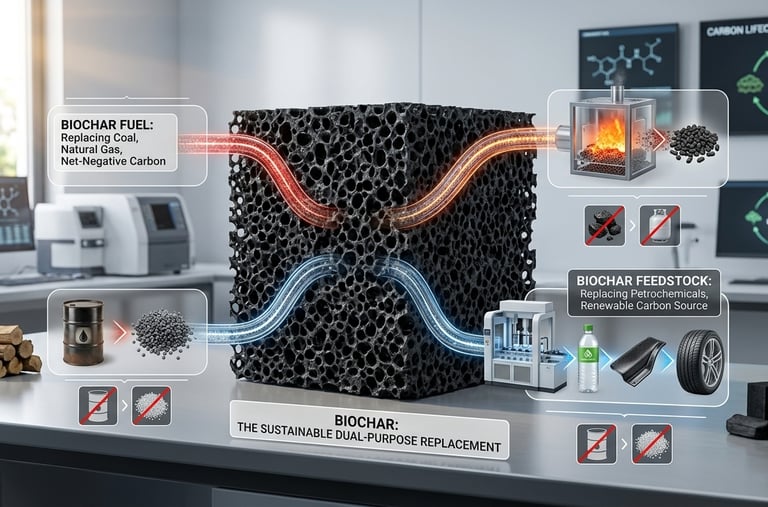
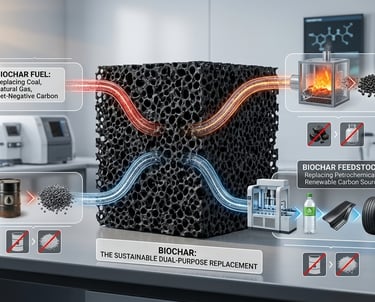
Still in the research and development stages, biochar shows great potential as a fuel and feedstock replacement.
The process of making biochar can help offset air pollution if more people utilized this process over traditional burning which releases the smoke and gases into the air. But beyond this plight, biochar's natural detoxifying properties make it highly effective in personal care products such as soap, shampoo, and toothpaste.
Innovative Solution
The productivity of these "Terra Preta" soils has led to worldwide interest and application of biochar to duplicate the soil qualities such as a higher pH, an increased microbial populations, and a richer nutrient composition [2].
The employment of biochar in lieu of commercial fertilizers in America could radically improve our soil tilth, thus improving the nutrition of our crops.
Its ability to supplant more harmful materials such as coal and petrochemicals unlocks a gateway to a healthier, more sustainable future.
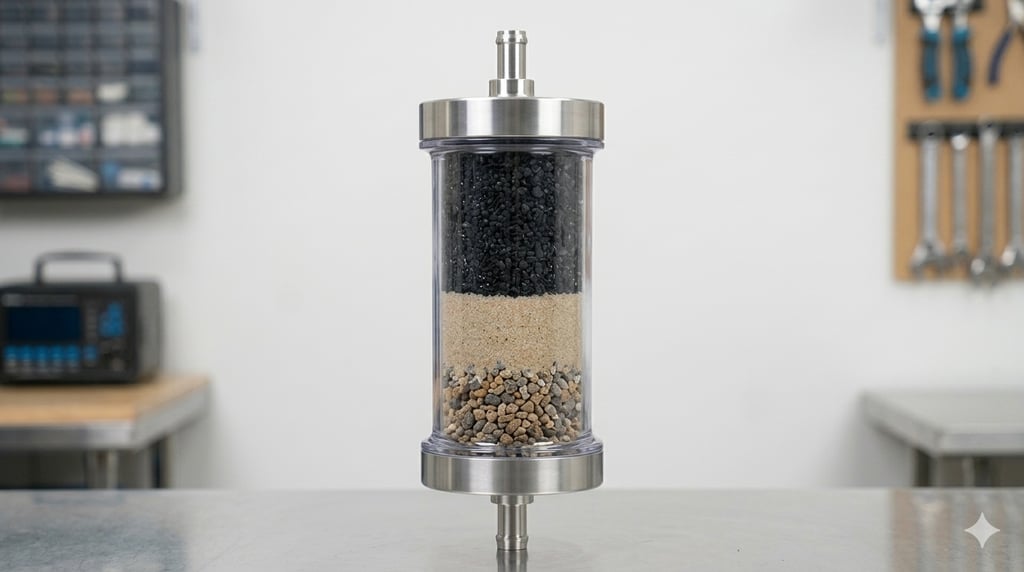
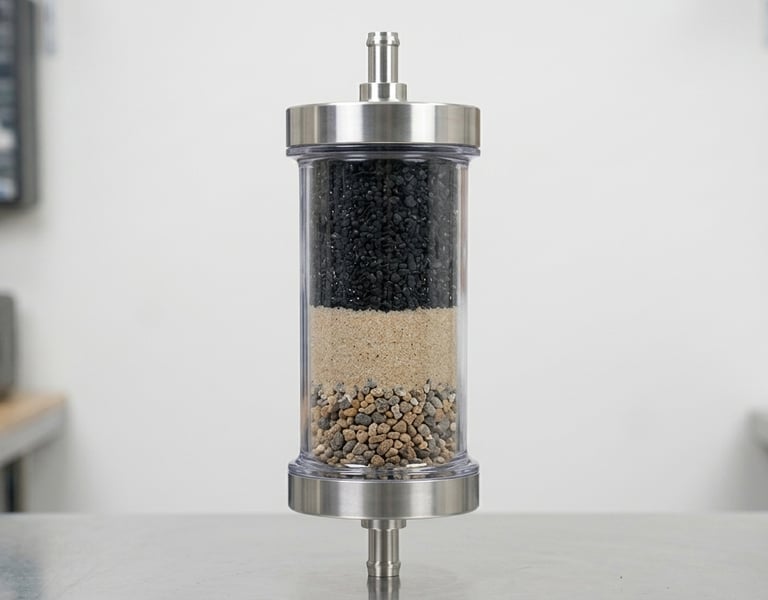
Biochar has proven highly effective as a natural detoxifier because of its unique porous structure. It traps and absorbs impurities, toxins, and odors, thus making it ideal for diverse applications such as simple household air purifiers to advanced water filtration systems capable of providing clean drinking water in areas that lack proper sanitation [3].
Biochar holds a lot of promise as an asset to a healthier future. Already, developers are using bamboo to make biochar. Bamboo's perennial nature and fast growth rate make it a sustainable source for production, and with its large surface area and high lignin content, it is a great choice to create a quality biochar for diverse applications.
Sources
Biochars and Their Uses in Agriculture, Sandy Vanno, Master Gardener Warren County CCE, Cornell CALS Soil and Crop Sciences Section, 2021
Gul, S., Whalen, J. K., Thomas, B. W., Sachdeva, V., & Deng, H. (2015). Physico-chemical properties and microbial responses in biochar-amended soils: Mechanisms and future directions. Agriculture, Ecosystems & Environment, 206, 46-59. https://doi.org/10.1016/j.agee.2015.03.015
Beyond the Soil: The Many Uses of Biochar, Matt Rickard, Biochar Life, PBC 2025