The Paper Market
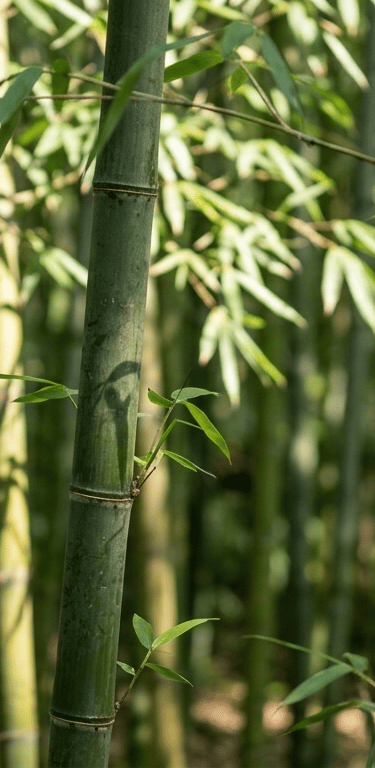
The best solution for sustainability? Alternative fibers such as bamboo!
According to paperpapers.com,
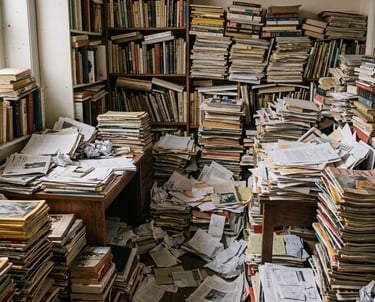
"The digital revolution once promised a world without paper. Tech experts in the 1980s and 90s predicted that computers and email would make physical documents obsolete. Yet, this “paperless” future never materialized. Instead, global paper consumption actually increased during the digital age.
This happened because digital tools often served to create more documents that were then printed. The rise of desktop publishing, for example, democratized document creation, leading to an explosion of printed materials in homes and offices.
Far from being replaced, paper became a companion to our digital lives. In fact, according to Statista, global consumption of paper and paperboard reached 420 million tons in 2023. Projections indicate this figure will continue to rise, reaching 476 million tons by 2032. This proves that paper has an enduring place in a digital-first world."

Still Going Strong
Single-Use Products
While books and other published materials may have long-term uses, many of the paper products we use every day are quickly consumable.
Paper Towels
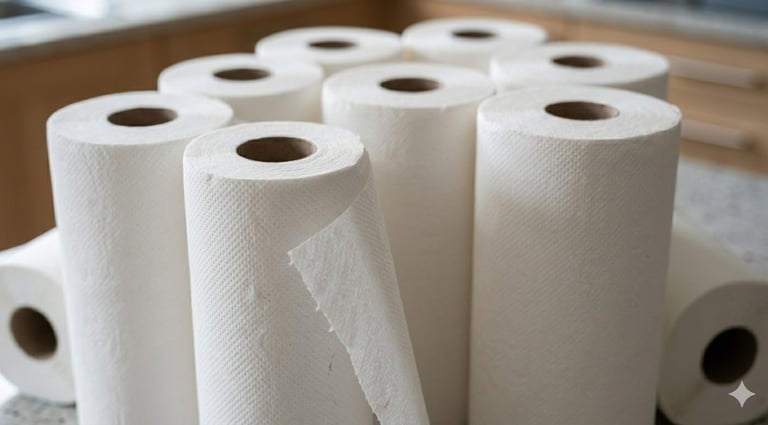
While we continue to encourage reusable options such as dish cloths to replace paper towels, there remains a high demand for throw-away options when cleaning up many messes.
Toilet Paper
The average American uses approximately 57 sheets of toilet paper every day which amounts to about 141 rolls per person per year [1].

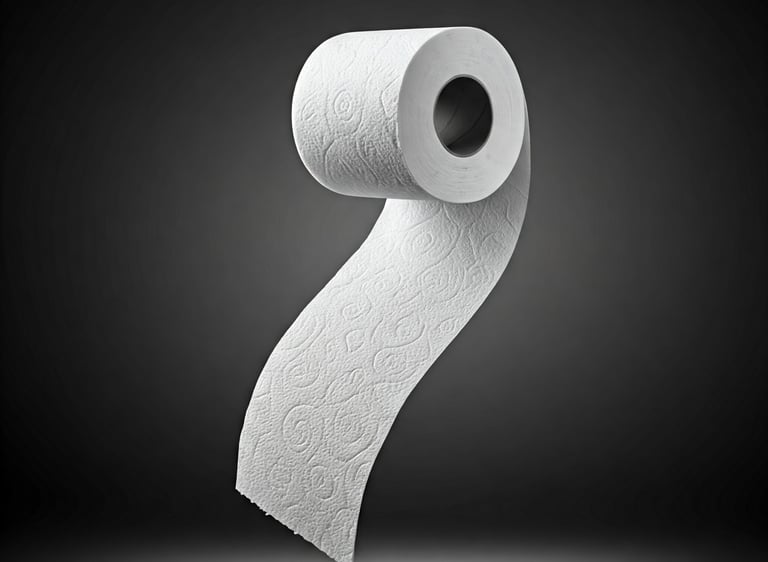
Bamboo toilet paper is available in the U.S. but none of it is yet manufactured here. We can change that.
Bamboo fibers are the perfect alternative to traditional paper towels made from tree pulp.
And using bamboo to create toilet paper, paper towels, tissues, and napkins is just the beginning.
Green Steel
Want to learn more?
Considered the "green steel of the future" engineered bamboo is becoming increasingly popular in construction due to its strength, beauty, and sustainability. It represents one of the highest-performance, natural-based fibers in the building market worldwide [2].
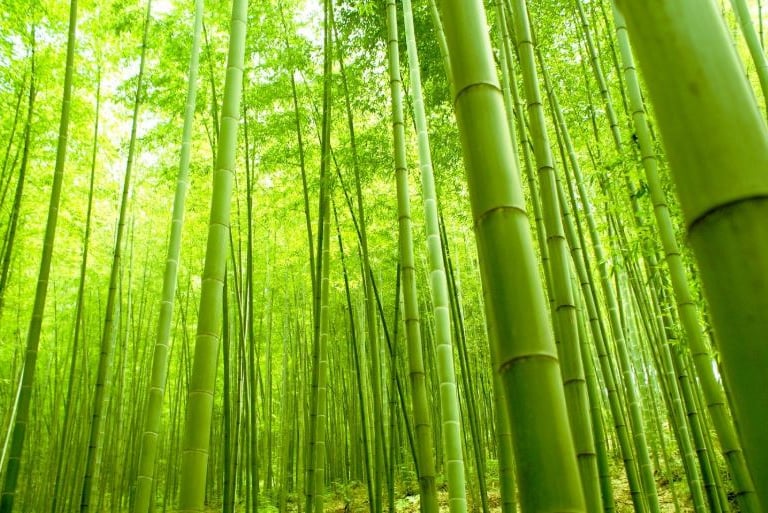


Yet while bamboo bends, it is hard to break because it has a greater tensile strength than steel.

Its natural resistance to fire makes it a desirable alternative to traditional lumber, and its flexibility makes it preferable to steel.
A Growing Competitor
Fabrics & Textiles
The global market for bamboo clothing was valued at $1.3 billion in 2022, and the bamboo clothing market is forecast to reach $3 billion by 2032, growing at a CAGR of 9.1% from 2023 to 2032.
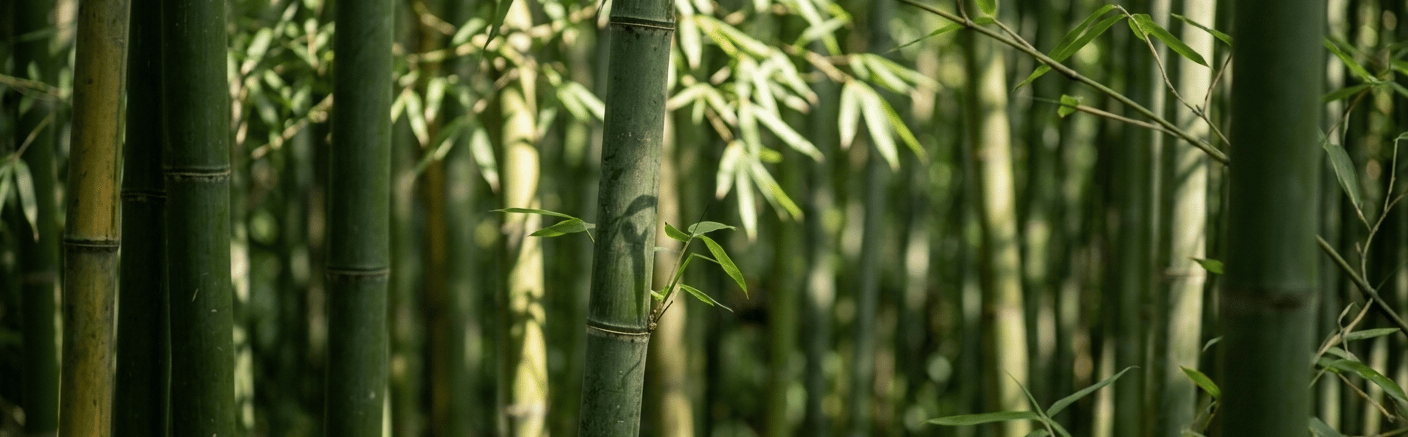
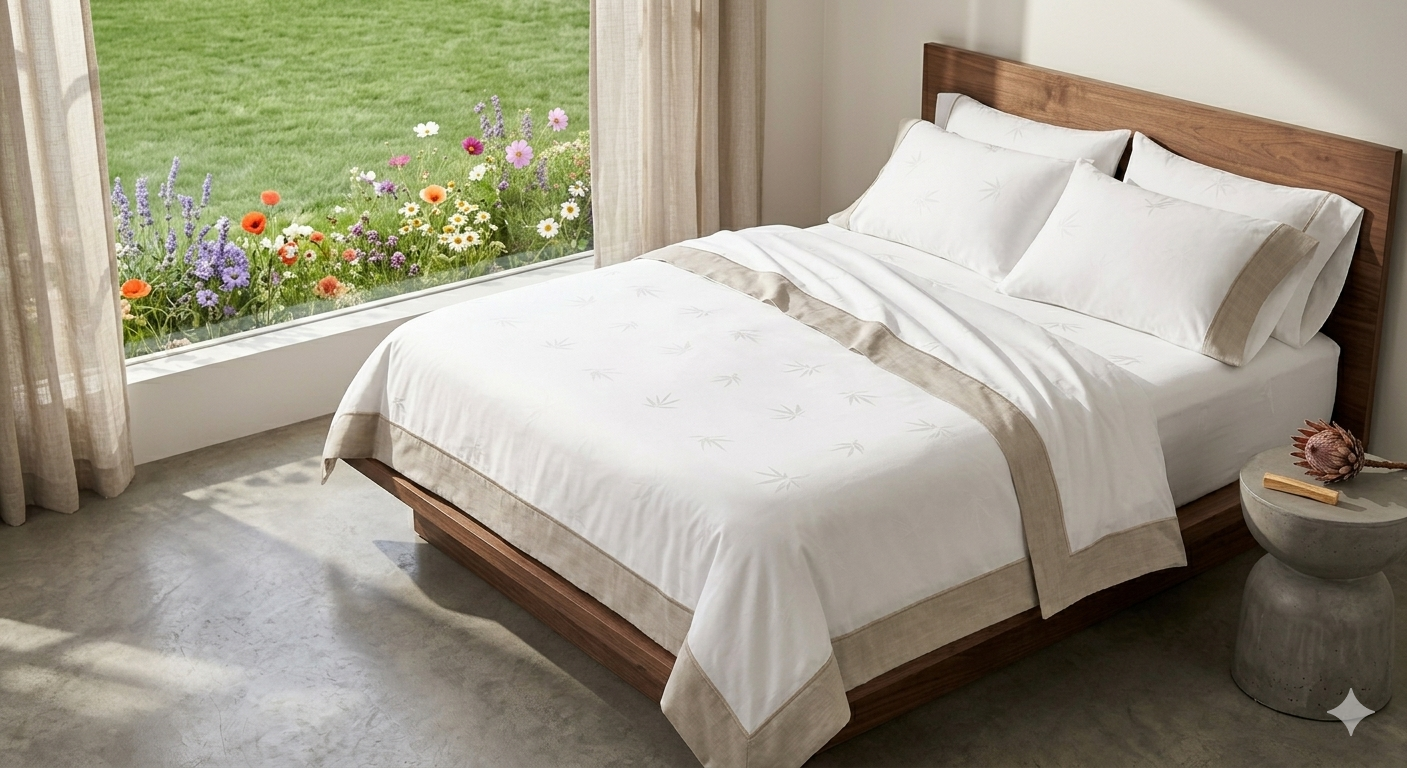
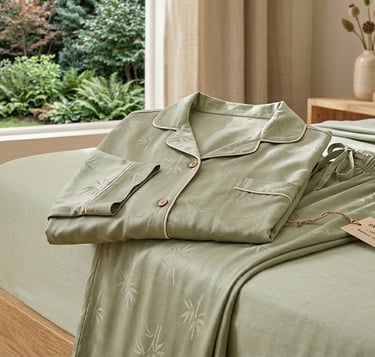
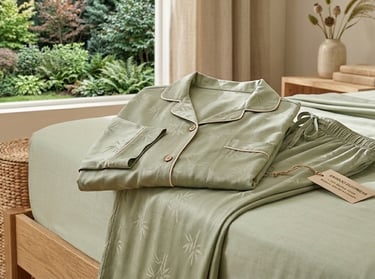
Consumers love this remarkably soft material. Bamboo fabric is naturally antibacterial and has moisture-wicking properties to keep the wearer cool and dry. And while organic cotton and linen are still quality choices, bamboo is more environmentally benign than the many common petroleum-based synthetics such as polyester, nylon, acrylic, and spandex.
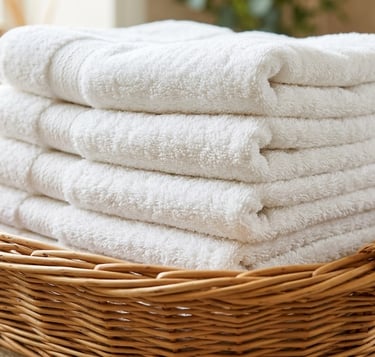
Whenever possible, choose lyocell bamboo as the healthiest option for both you and the environment, as its production doesn't use toxic chemicals and is naturally biodegradable.
Biochar
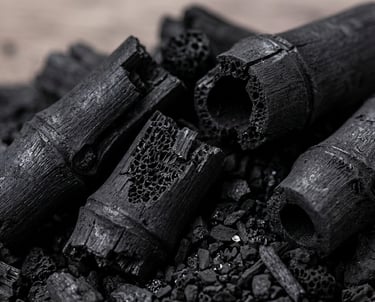
An Ancient Innovation
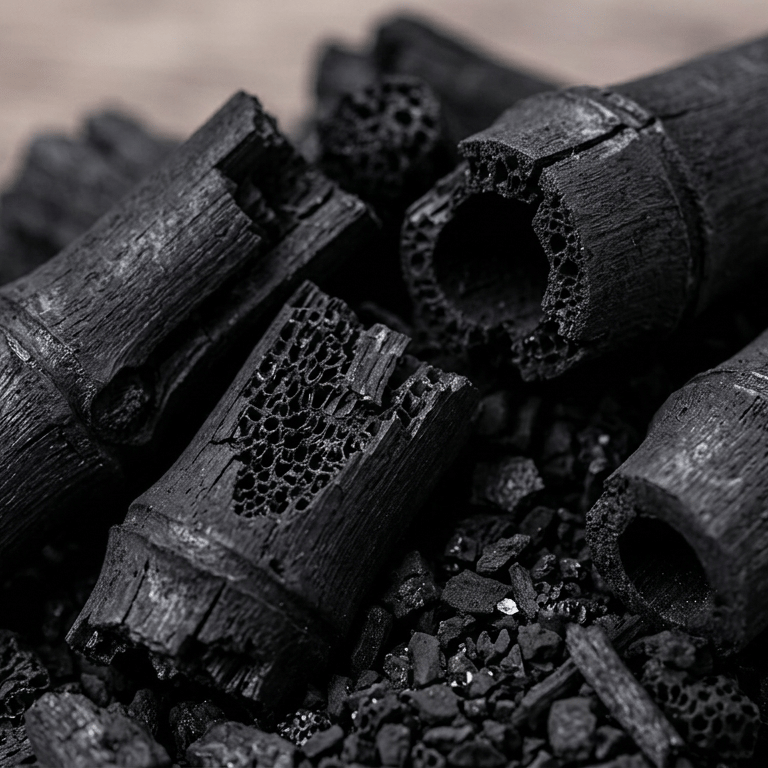
For 2000 years, biochar has improved soil conditions in the Amazon. Today, we are learning its widespread applications.
Sustainably produced from bamboo, biochar can become accessible worldwide. Already, some U.S. farms are producing bamboo biochar and putting into use, but we still need a lot more bamboo farms [3].
Sources
Pforzheimer, Adrian. 2020. “The Real Problem with Toilet Paper: Where It Comes From.” Frontier Group. April 24, 2020. https://frontiergroup.org/articles/real-problem-toilet-paper-where-it-comes/.
“The World's Most Ecological Building Material.” https://www.lamboo.us/sustainability .
Ríos Guayasamín, P. D., Smith, S. M., & Thomas, S. C. (2024). Biochar effects on NTFP-enriched secondary forest growth and soil properties in Amazonian Ecuador. Journal of Environmental Management, 350, 119068. https://doi.org/10.1016/j.jenvman.2023.119068